SUVs span a wide range of towing capabilities. A compact crossover might manage 1,500 lbs while a full-size body-on-frame SUV can pull 9,300 lbs. Knowing which category fits your needs saves time and money.
Full-Size SUVs: The Best Towers
| SUV | Max Towing | Platform |
|---|---|---|
| Ford Expedition | 9,300 lbs | Body on frame |
| Chevy Suburban | 8,300 lbs | Body on frame |
| Chevy Tahoe | 8,400 lbs | Body on frame |
| GMC Yukon | 8,400 lbs | Body on frame |
| Toyota Sequoia | 9,000 lbs | Body on frame |

Midsize SUVs: The Middle Ground
| SUV | Max Towing |
|---|---|
| Jeep Grand Cherokee | 7,200 lbs |
| Ford Explorer | 5,600 lbs |
| Honda Pilot | 5,000 lbs |
| Kia Telluride | 5,000 lbs |
| Hyundai Palisade | 5,000 lbs |
Body on Frame vs Unibody
Body-on-frame SUVs consistently out-tow unibody crossovers. The separate frame design handles towing stress better and allows for stronger hitch mounting points. If towing is a priority, a body-on-frame SUV is the better choice over a unibody crossover every time.
Find the Right Tires for Your SUV
Towing puts extra stress on your SUV's tires. Whether you need all terrain, highway, or load rated tires, find the exact specifications for your SUV at TireSize411.com.
Key Tip
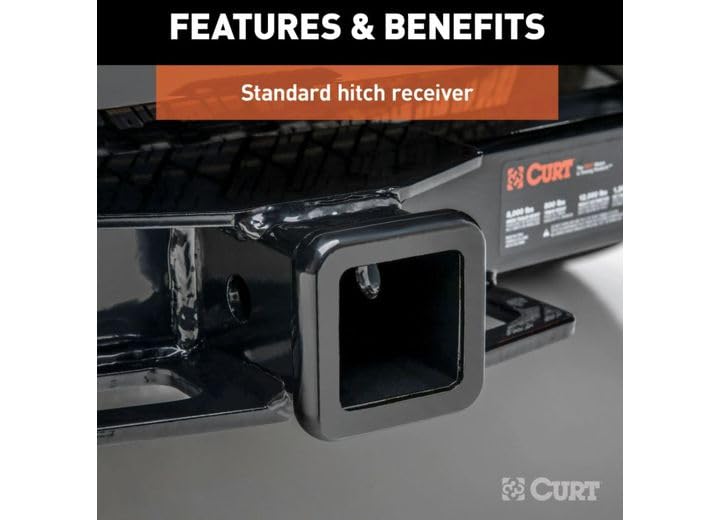
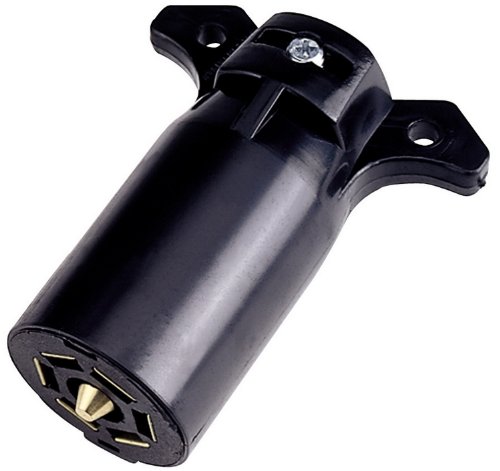
Maximum towing capacity for SUVs almost always requires the factory tow package. This typically includes a trailer hitch receiver, wiring harness, transmission cooler, and upgraded cooling. Without it, the towing limit is significantly lower or non-existent.
Find Towing Capacity for Your Vehicle
Search our database of 3,255 vehicles across 31 makes. Free and always up to date.
Search the Database